
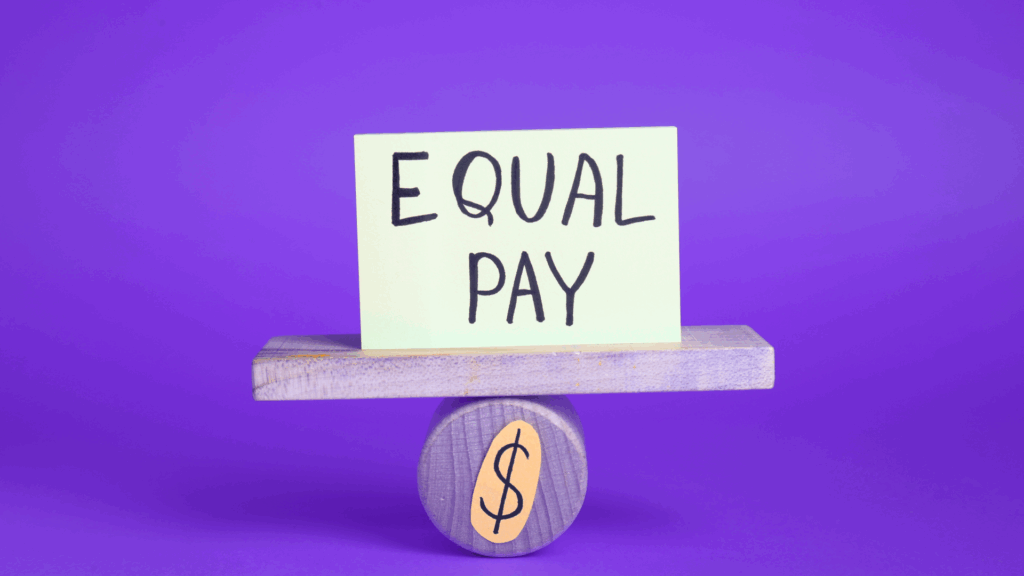
When we think of equal pay at work, most people imagine it as a simple matter of fairness: the same salary for the same job. But in reality, pay equity is much more complex. It isn’t just about two employees sitting side by side in the same role — it’s about the systems, structures, and cultures that determine how pay is set, how raises are given, and how careers unfold.
Why Equal Pay Still Matters Today
Despite decades of discussion, the gender pay gap and other inequities continue to persist. Women, on average, earn less than men in nearly every industry. The disparity widens for women of color, working mothers, and employees with disabilities. These gaps are not only unfair but also damaging to long-term career growth, financial independence, and retirement security.
The problem isn’t that employees don’t work as hard. It’s that hidden biases, outdated evaluation systems, and unequal access to opportunities shape how compensation is distributed.
The Hidden Layers of Pay Inequity
Most organizations today pride themselves on having transparent salary bands. But transparency alone doesn’t fix deeper issues. Here are some hidden layers of pay inequity that often go unnoticed:
- Negotiation Bias – Studies show that women are less likely to negotiate aggressively due to fear of backlash. When organizations base salaries on “what the candidate asked for,” they unintentionally reinforce pay gaps.
- Unequal Access to Stretch Roles – Career growth often comes from high-visibility projects or leadership opportunities. If these are offered unequally, some employees will naturally progress — and be paid — faster.
- Performance Evaluation Gaps – Subtle language differences in performance reviews matter. Research shows men are more likely to be described as “leaders” or “strategic,” while women are described as “hardworking” or “collaborative.” The first category often translates to promotions and pay raises.
- Motherhood Penalty vs. Fatherhood Bonus – Working mothers are often assumed to be less committed, while fathers are often assumed to be more stable and responsible. These unconscious assumptions directly impact compensation decisions.
Equal Pay Is About Culture, Not Just Compliance
Too often, companies treat equal pay audits as a one-time compliance exercise. They run the numbers, adjust salaries, and check the box. But unless the culture of equity changes, gaps will quietly open again.
Real change requires asking harder questions:
-
Who gets the mentorship that leads to advancement?
-
Who is tapped for leadership pipelines?
-
Who gets recognized for ideas in meetings?
-
Whose work is considered “essential,” and whose work is considered “supportive”?
These cultural dynamics shape long-term earning potential just as much as salary structures do.
The Business Case for Equal Pay
While fairness should be reason enough, the business benefits of equal pay are undeniable:
- Retention – Employees who feel underpaid compared to peers are more likely to leave. Pay equity directly reduces turnover.
- Engagement – Knowing that your contributions are valued equally fosters commitment and motivation.
- Reputation – Companies that actively close pay gaps are more attractive to diverse talent and consumers alike.
- Innovation – Equitable cultures encourage diverse perspectives, which drive creativity and better problem-solving.
Moving from Awareness to Action
So, what can organizations actually do to ensure equal pay at work isn’t just a slogan?
- Conduct Regular Pay Audits – Don’t wait for complaints. Proactively analyze salary data for gender, race, and other disparities at least once a year.
- Standardize Pay Practices – Set clear, role-based salary bands and stick to them. Avoid basing offers on past salaries or negotiation skills.
- Train Managers on Bias – Performance reviews and promotion decisions are where inequities creep in. Train leaders to recognize and address bias in evaluations.
- Provide Transparent Career Pathways – Employees should know exactly what skills, milestones, and outputs lead to higher pay. This transparency levels the playing field.
- Normalize Flexibility Without Penalty – Remote work, part-time roles, or parental leave shouldn’t derail pay progression. Normalize flexible pathways without hidden costs.
- Recognize Invisible Work – Emotional labor, mentorship, and DEI contributions often go unpaid and unrecognized. Building these into evaluations ensures a fuller picture of value.
The Future of Equal Pay
In the end, equal pay at work is about more than numbers on a paycheck. It’s about respect, dignity, and trust. Employees want to know that their effort, skills, and contributions are valued fairly — regardless of gender, race, or background.
The organizations that thrive in the future will be the ones that treat pay equity as a living commitment, not a one-time correction. They will not only close the gaps but also build cultures where equity is embedded in every decision.
Because when employees see that their worth is recognized fairly, they don’t just work harder — they belong. And belonging is the foundation of every strong, resilient workplace.