

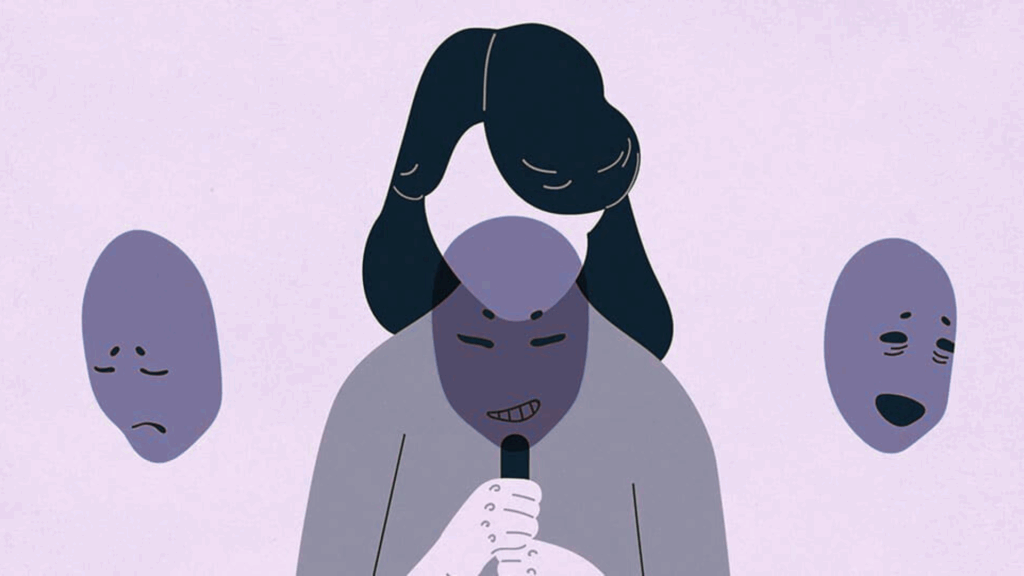
We often associate stress with heightened emotions—racing thoughts, irritability, frustration, or even anxiety attacks. But not all stress looks like this. Sometimes, it shows up more quietly. No panic. No tears. Just silence.
You’re not exactly unhappy—but you’re also not feeling much of anything.
This is emotional numbness—a psychological state where you feel detached, disconnected, and distant from your emotions, your relationships, and even from yourself.
What Does Emotional Numbness Look Like?
It can be subtle. You might not even realize it’s happening at first. But emotional numbness often shows up as:
-
A lack of joy, even when something good happens.
-
Disconnection from your work, your relationships, or even your sense of self.
-
Going through the motions of daily life while everything feels distant or blurry.
-
No strong emotions—not happiness, not sadness, just flatness.
This is your brain’s way of saying: I’ve had too much for too long. When stress or emotional overload continues for extended periods, your system may move beyond overwhelm and into shutdown mode—a survival response where you no longer react, because reacting feels like too much.
Why Does This Happen?
Emotional numbness is not a personal failure. It’s a coping mechanism.
When the brain perceives unrelenting emotional stress—whether from burnout, trauma, grief, or ongoing pressure—it tries to protect you by dulling your emotional responses. This is part of the freeze response in the body’s stress system. You are not shutting down because you’re weak, but because your brain is trying to keep you safe from further emotional overload.
Over time, though, this protective mechanism becomes a problem in itself. You start to feel cut off from yourself and others. The people and things that used to energize or comfort you don’t seem to matter anymore.
You may notice:
-
A growing sense of emptiness or disinterest in everything.
-
A feeling of watching life happen rather than participating in it.
-
Physical exhaustion that sleep doesn’t fix.
-
Trouble remembering when you last felt connected, excited, or alive.
How to Start Feeling Again
The process of coming out of emotional numbness takes time, but the key is gentle reconnection. Small steps can begin to reawaken your emotional world.
1. Reconnect with your body
When you’re emotionally numb, you may also feel physically disconnected. One way to start feeling again is by engaging your body intentionally.
-
Try a short walk while paying attention to your surroundings.
-
Practice deep breathing, slowly inhaling and exhaling to calm the nervous system.
-
Engage in light stretching, yoga, or dance.
-
Listen to music and notice how your body reacts.
Your body stores stress just as much as your mind. Reconnecting with physical sensations sends a signal that it’s safe to come out of shutdown.
2. Look for small moments of joy
Joy may feel out of reach—but you don’t need a grand breakthrough. Look for small, accessible sources of pleasure or comfort, even if they feel muted.
-
Watch a familiar show that once made you laugh.
-
Eat a favorite meal or drink something warm.
-
Step outside and notice sunlight, wind, or the smell of the air.
-
Engage in a creative task like drawing, baking, or journaling.
You may not feel much at first. That’s okay. The point is to reintroduce experiences that your body and brain can register as safe, enjoyable, or familiar.
3. Talk to someone
Isolation deepens emotional numbness. You may not feel like reaching out, but staying entirely in your own head can reinforce the sense of detachment.
-
Let a trusted person know you’re not feeling like yourself.
-
Even a short check-in call or message can help you feel seen.
-
If talking feels overwhelming, try writing a note or journaling first.
-
Consider speaking with a therapist, who can help you navigate this experience without pressure or judgment.
Emotional connection—even in small doses—can begin to soften the numbness and bring a sense of relational safety.
4. Be kind to yourself
You may feel frustrated, ashamed, or confused about why you feel this way. That’s understandable. But it’s important to shift the narrative.
You are not broken. You are not emotionally incapable.
You are likely emotionally overwhelmed, and your system is trying to cope the only way it knows how—by shutting down emotional responses.
Recovery from numbness doesn’t happen through force or discipline. It happens through self-compassion, patience, and the slow rebuilding of trust within your own body and mind.
Give yourself permission to move slowly. To not “bounce back” instantly. To start with one small act of reconnection at a time.
You Are Not Alone
Emotional numbness can feel invisible to others, and even to yourself. But it is a real and valid response to prolonged stress or trauma.
If this experience resonates with you, here’s what you need to remember:
-
Your feelings will return.
-
Your energy and motivation will come back.
-
You will reconnect—with yourself, with others, and with life.
This isn’t a sign that you’ve given up. It’s a sign that you’ve been trying to survive for too long without rest.
The good news is, numbness isn’t permanent. It’s a pause—a protective quiet. And even now, your body is quietly hoping for a moment when it feels safe enough to feel again.
That moment can start today—with one small, gentle step toward yourself.