
Being “emotionally mature” is often praised. You’re calm. You communicate well. You regulate yourself. You understand others’ feelings. You don’t escalate. You hold space. But for many people, what looks like emotional intelligence from the outside slowly turns into emotional labour on the inside. And that shift is exhausting. The…
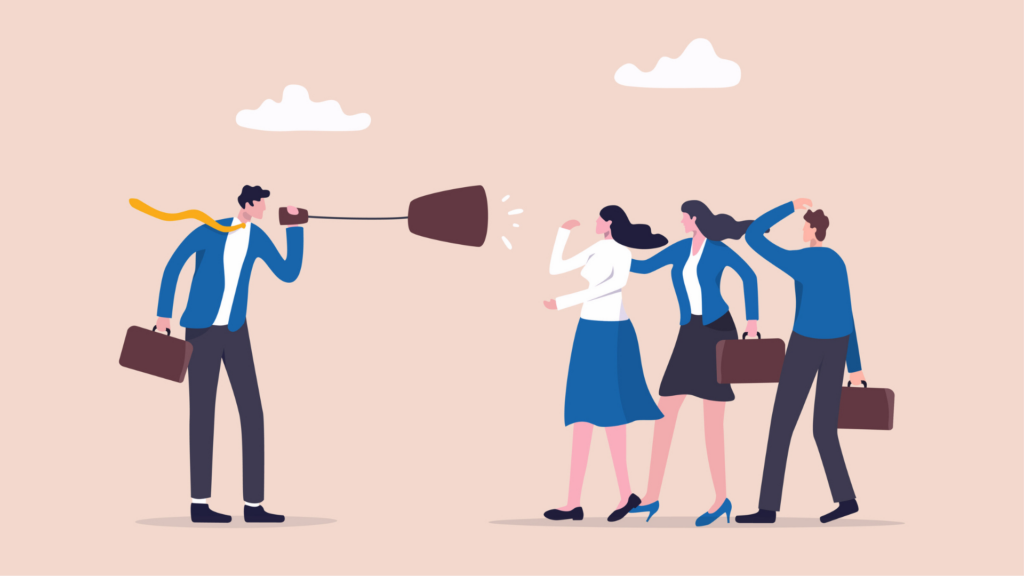
Employee turnover is rarely caused by a single organisational factor. Instead, it emerges from a pattern of psychological, relational, and cultural conditions that accumulate over time. One of the strongest predictors of chronic turnover—yet often the most underestimated—is emotionally distant leadership. When leaders operate with minimal emotional engagement, low relational…
In many modern workplaces, companies proudly talk about diversity, belonging, and inclusive culture. Posters are updated, workshops are conducted, and hashtags are added to corporate communication. But beneath the glossy slides and well-intentioned initiatives, there is a quieter, more constant reality—one that organisations rarely calculate. Marginalised employees, whether due to…
In today’s workplace, professionalism is often defined by composure, steady tone, measured reactions, controlled emotions. Employees are expected to manage conflict without showing frustration, absorb feedback without defensiveness, remain calm during unrealistic deadlines, and handle unpredictable stakeholders while staying “polished.” But behind this polished exterior lies an invisible emotional task…
Most conversations about workplace mental health focus on what happens during the workday — burnout, workload pressures, interpersonal conflict, or performance stress. But a lesser-discussed phenomenon often begins long before the week starts: the experience known as anticipatory stress, often referred to as “Sunday dread” or “pre-work anxiety.” This feeling…
When we talk about Mental Health First Aid (MHFA) in the workplace, we usually imagine visible moments of crisis — someone breaking down in tears, a panic attack, or a distress call after a traumatic event.But in most offices, the real challenges are much quieter.They’re the micro-crises — those small,…
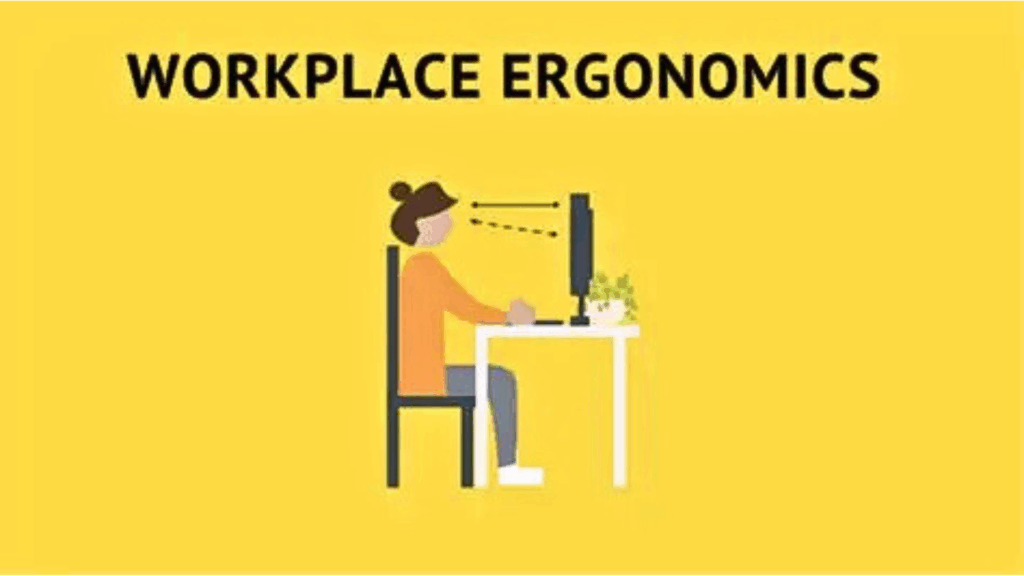
In most workplaces, mental health conversations focus on stress management, emotional resilience, and balancing professional demands. Yet, one critical factor often escapes attention — ergonomics. How we sit, move, and interact with our workspace shapes not only our physical comfort but also our psychological well-being. While ergonomics is traditionally associated…
Work isn’t just about tasks and deadlines — it’s also about people and the energy they bring. One factor that often goes unnoticed but strongly shapes workplaces is emotional contagion. Simply put, emotions can spread from one person to another, influencing moods, interactions, and even productivity. Understanding how this happens…
When we think of equal pay at work, most people imagine it as a simple matter of fairness: the same salary for the same job. But in reality, pay equity is much more complex. It isn’t just about two employees sitting side by side in the same role — it’s…
Have you ever called in sick with a “headache” when it was actually a panic attack?Or claimed “food poisoning” when you had spent the morning crying, unable to get out of bed? If so, you’re not alone. In most workplaces, physical health is understood and accepted. If someone catches the…