
Category: <span>Work-Life Balance</span>

When Work Follows You Home: Understanding “Cognitive Spillover” And How To Reclaim Your Mental Space

In today’s always-on work culture, logging off doesn’t always mean mentally switching off. You may close your laptop at 7 pm, yet find yourself replaying conversations, worrying about deadlines, or drafting tomorrow’s emails in your head while having dinner. This phenomenon has a name—cognitive spillover—and it’s becoming an increasingly common…


When Emotional Competence Turns Into Emotional Labour

Being “emotionally mature” is often praised. You’re calm. You communicate well. You regulate yourself. You understand others’ feelings. You don’t escalate. You hold space. But for many people, what looks like emotional intelligence from the outside slowly turns into emotional labour on the inside. And that shift is exhausting. The…

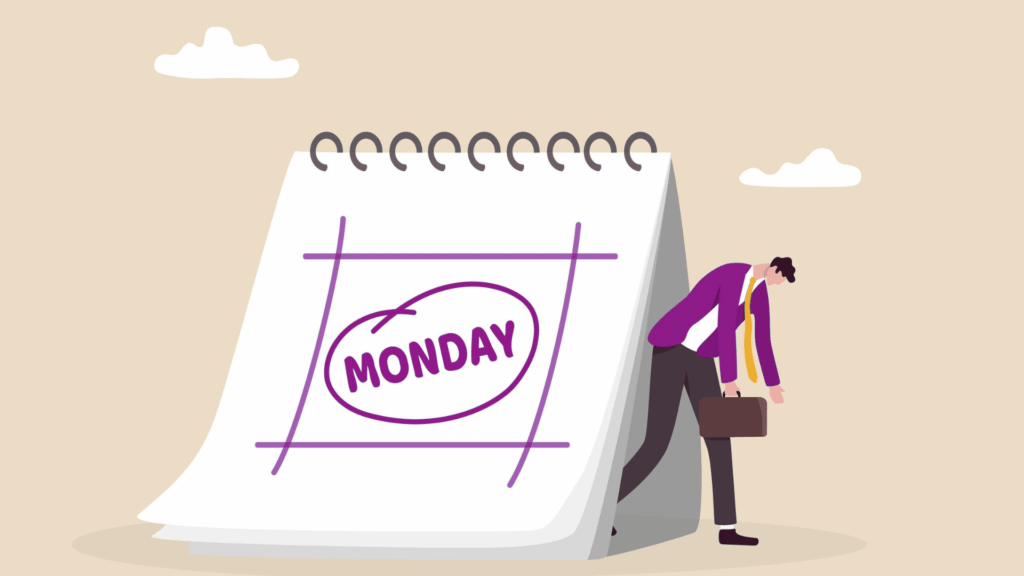
The “Sunday Night Shift”: Understanding Anticipatory Work Anxiety And How EAPs Can Help

For many employees, the workweek doesn’t begin on Monday morning—it begins on Sunday evening. There’s a familiar shift in mood: a tightening in the chest, a restless mind, an urge to check emails “just in case,” or a subtle sense of dread about the week ahead. This experience, often brushed…

Sunday Dread: The Workplace Issue No One’s Talking About

Most conversations about workplace mental health focus on what happens during the workday — burnout, workload pressures, interpersonal conflict, or performance stress. But a lesser-discussed phenomenon often begins long before the week starts: the experience known as anticipatory stress, often referred to as “Sunday dread” or “pre-work anxiety.” This feeling…

The Mental Cost Of Multitasking: Why Focus Beats Doing It All

We often take pride in being great multitaskers—juggling emails, attending meetings, and working on side projects all at once. In many workplaces, multitasking is even seen as a badge of productivity. But what if multitasking isn’t making us more efficient at all? What if it’s actually slowing us down, draining…

Are Your “Quiet Quitters” Actually Just Disengaged Employees?

The term “quiet quitting” has made headlines, sparked workplace debates, and even trended across social media platforms. Often misunderstood, it’s described as employees doing the bare minimum of their job—clocking in, completing tasks, and clocking out, without taking on anything extra. It’s frequently framed as laziness or a lack of…
x

Enquire Now