
Author: Bee Mahimkar

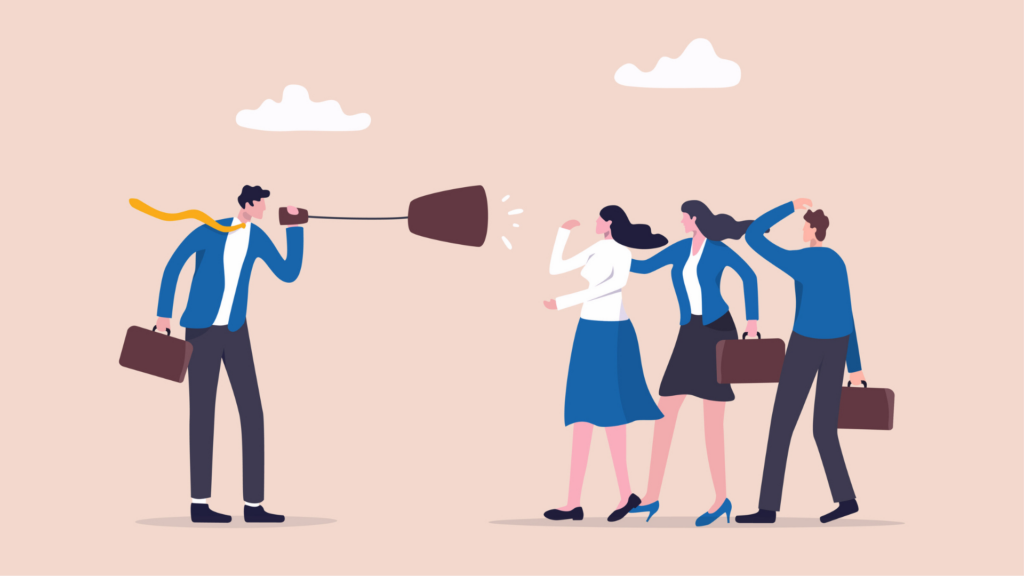
The Psychological Impact Of Leaders Who Change Directions Frequently

In organisational psychology, leadership consistency is considered a foundational condition for employee stability and performance. While adaptability and strategic responsiveness are essential traits for modern leaders, frequent and unexplained changes in direction—commonly referred to as organizational volatility—carry measurable psychological consequences for employees. These effects are not simply anecdotal; they are…

The Culture Tax Paid By Marginalised Employees

In many modern workplaces, companies proudly talk about diversity, belonging, and inclusive culture. Posters are updated, workshops are conducted, and hashtags are added to corporate communication. But beneath the glossy slides and well-intentioned initiatives, there is a quieter, more constant reality—one that organisations rarely calculate. Marginalised employees, whether due to…

The Cost Of Constant Self-Regulation In Corporate Roles

In today’s workplace, professionalism is often defined by composure, steady tone, measured reactions, controlled emotions. Employees are expected to manage conflict without showing frustration, absorb feedback without defensiveness, remain calm during unrealistic deadlines, and handle unpredictable stakeholders while staying “polished.” But behind this polished exterior lies an invisible emotional task…

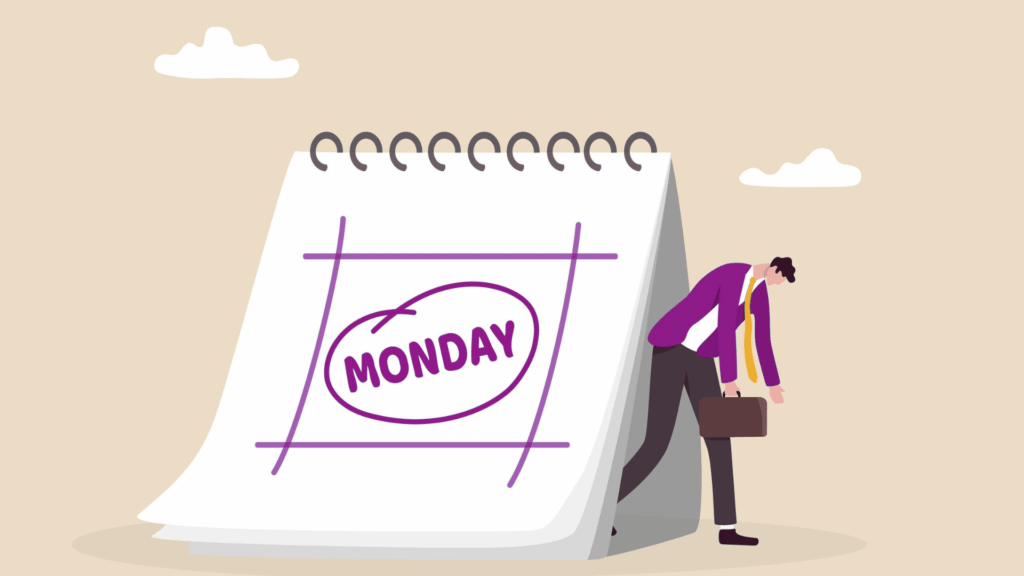
Sunday Dread: The Workplace Issue No One’s Talking About

Most conversations about workplace mental health focus on what happens during the workday — burnout, workload pressures, interpersonal conflict, or performance stress. But a lesser-discussed phenomenon often begins long before the week starts: the experience known as anticipatory stress, often referred to as “Sunday dread” or “pre-work anxiety.” This feeling…

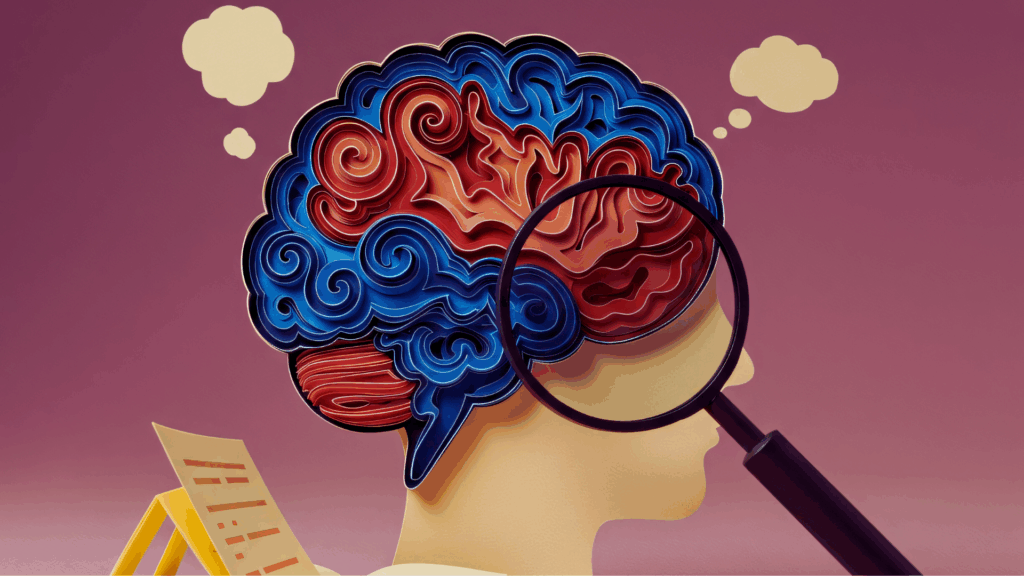
Cognitive Tunnelling At Work: The Hidden Mental Trap That Sabotages Performance

Modern workplaces demand speed, accuracy, and constant multitasking. Yet, ironically, the more pressure employees feel, the more likely they are to fall into a subtle but powerful mental trap called cognitive tunnelling — a state where the mind fixates on one task, detail, or threat and becomes blind to everything…

From Posture To Peace Of Mind: The Overlooked Link Between Ergonomics And Mental Health At Work

In most workplaces, mental health conversations focus on stress management, emotional resilience, and balancing professional demands. Yet, one critical factor often escapes attention — ergonomics. How we sit, move, and interact with our workspace shapes not only our physical comfort but also our psychological well-being. While ergonomics is traditionally associated…

Emotional Contagion At Work: How Moods Spread And Impact Teams

Work isn’t just about tasks and deadlines — it’s also about people and the energy they bring. One factor that often goes unnoticed but strongly shapes workplaces is emotional contagion. Simply put, emotions can spread from one person to another, influencing moods, interactions, and even productivity. Understanding how this happens…
x

Enquire Now