Modern workplaces demand speed, accuracy, and constant multitasking. Yet, ironically, the more pressure employees feel, the more likely they are to fall into a subtle but powerful mental trap called cognitive tunnelling — a state where the mind fixates on one task, detail, or threat and becomes blind to everything else.
It isn’t burnout.
It isn’t distraction.
It isn’t poor skill.
It’s a stress-induced narrowing of attention that can quietly derail productivity, decision-making, and even careers.
In high-risk industries like aviation and medicine, cognitive tunnelling has been studied for decades because it can lead to critical errors. But very few discussions bring this concept into the corporate mental health space — even though it plays a massive role in how employees cope with deadlines, rapid-fire communication, and workplace overload.
What is Cognitive Tunnelling?
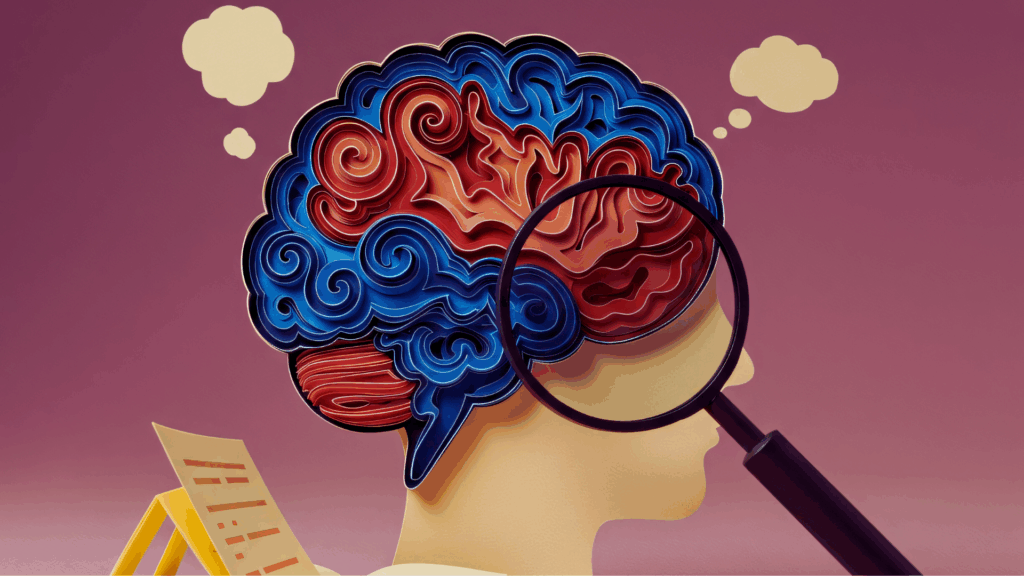
Cognitive tunnelling occurs when the brain becomes so focused on one stimulus that it loses awareness of the broader environment. Think of it as “zooming in too much” on a single detail while everything else becomes blurry.
In everyday work life, it looks like:
-
Obsessing over a small mistake while ignoring important tasks
-
Getting stuck rewriting one email for 20 minutes
-
Fixating on one problem and missing easier solutions
-
Over-monitoring one metric while other KPIs slip
-
Being unable to shift attention even when priorities change
This isn’t laziness or incompetence — it’s the brain reacting to stress, threat, and pressure by narrowing focus as a survival strategy.
Why Does It Happen? The Brain Under Pressure
Under stress, the brain moves into a threat-response mode.
Here’s what happens internally:
-
The amygdala activates, sensing danger (even if the “danger” is just a presentation deadline).
-
Cortisol increases, reducing mental flexibility.
-
The prefrontal cortex loses access to full working memory, shrinking attention range.
The result?
A kind of “mental tunnel vision.”
That’s why cognitive tunnelling often happens in moments like:
-
When you have too much to do and don’t know where to start
-
When you’re anxious about being judged
-
When the stakes feel high
-
When you’re tired, overwhelmed, or emotionally overloaded
It’s an involuntary reaction, but its consequences at work are real and often misunderstood.
How Cognitive Tunnelling Shows Up in the Workplace
1. Hyper-focusing on low-impact tasks
Employees might spend excessive time:
-
Reformatting documents
-
Rechecking data
-
Perfecting minor details
This gives a false sense of control, but the bigger tasks remain untouched.
2. Frozen decision-making
Teams may feel “stuck,” unable to move forward because they’re overthinking one step.
This is where decision paralysis looks like procrastination but is actually tunnelling.
3. Emotional reactivity
When the brain is hyper-focused and overwhelmed, even small disruptions feel threatening. People may become:
-
Irritable
-
Defensive
-
Snappy
-
Withdrawn
It’s not a personality issue — it’s cognitive overload.
4. Ignoring big-picture strategy
Employees might get lost in execution mode and overlook:
-
Risks
-
Opportunities
-
Alternative approaches
-
Cross-team dependencies
They are working hard, but not effectively, because attention is too narrow.
5. Poor performance that doesn’t match capability
Perhaps the most frustrating form: smart employees delivering below their potential.
The issue isn’t skill — it’s mental bandwidth.
Why This Matters for Organisations
In EAP contexts and corporate mental health interventions, cognitive tunnelling often sits beneath the surface of workplace stress. Teams experiencing this may show patterns like:
-
Repeated errors
-
Overwork without progress
-
Missed deadlines
-
Reduced creativity
-
Communication breakdowns
Leaders often misinterpret these signs as disengagement.
But what’s really happening is over-engagement with the wrong thing.
Breaking the Tunnel: Evidence-Based Strategies
1. Use “Attention Reset Breaks”
Short, intentional resets help widen the brain’s attentional lens.
Examples include:
-
Looking away from the screen for 20 seconds
-
A 2-minute body scan
-
A quick stretch
-
Stepping away from your desk
Micro-pauses interrupt the tunnel.
2. Externalise tasks to reduce cognitive load
When everything stays in the mind, the tunnel gets deeper.
Encourage employees to:
-
Write things down
-
Use project boards
-
Break tasks into small steps
-
Prioritise visually
Externalising turns chaos into structure.
3. Set “priority anchors”
A priority anchor is a simple question employees ask themselves:
“What actually matters right now?”
This shifts the brain from fixation to clarity.
4. Reduce threat triggers in the environment
Psychological safety widens attention.
Minimise:
-
Micro-deadlines
-
High-pressure presentations
-
Sudden last-minute changes
-
Blame-heavy review meetings
When fear is low, thinking expands.
5. Intentionally task-switching
Not multitasking.
Not chaos.
Just shifting attention to loosen the brain from the tunnel.
A 5-minute switch to a different task can reset mental flexibility.
For Leaders: Spotting Tunnelling Early
Look for teams that:
-
Are busy but not progressing
-
Get stuck on one task
-
Over-explain minor details
-
Ask for reassurance repeatedly
-
React strongly to small changes
Instead of pushing harder, focus on decompression and clarity.
Reflecting Forward
Cognitive tunnelling isn’t a personal flaw — it’s a neurocognitive response to stress. In today’s fast-paced workplaces, where demands outpace mental bandwidth, this silent trap affects performance far more than organisations realise.
Understanding how attention, stress, and mental load interact helps us move from blame to support, from overwhelm to clarity. And when employees have the psychological space to widen their attention, they don’t just work better — they think better, collaborate better, and lead better.
If workplaces want true productivity, the goal isn’t more pressure — it’s more perspective.