When we talk about Mental Health First Aid (MHFA) in the workplace, we usually imagine visible moments of crisis — someone breaking down in tears, a panic attack, or a distress call after a traumatic event.
But in most offices, the real challenges are much quieter.
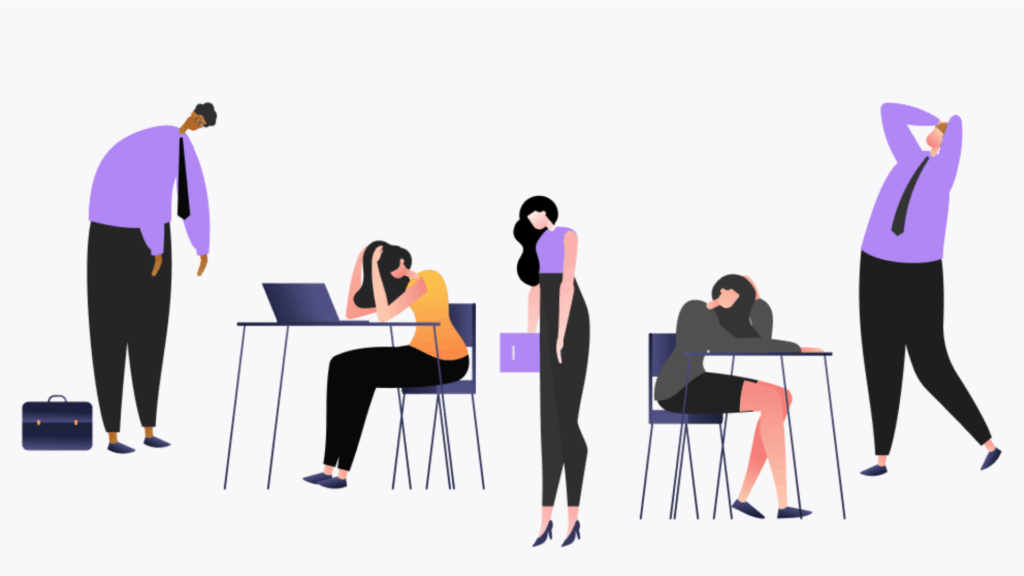
They’re the micro-crises — those small, often invisible emotional collapses that go unnoticed because they don’t look like emergencies.
A team member who stops contributing in meetings.
An employee who suddenly withdraws after feedback.
A manager who snaps at colleagues after weeks of long hours.
These aren’t “big” crises — but they’re early warning signs that mental health support is needed.
That’s where Mental Health First Aid for Micro-Crises comes in — the subtle, preventive side of psychological safety at work.
What Are Micro-Crises?
Micro-crises are short, intense bursts of emotional distress that can look like irritability, indecision, or disengagement.
They’re moments when someone’s coping capacity dips — not because they can’t handle their job, but because their emotional bandwidth is maxed out.
In a fast-paced corporate environment, these moments often get dismissed as “bad days” or “attitude issues.”
But for trained first aiders and HR professionals, recognizing a micro-crisis can mean the difference between early support and long-term burnout.
Why They Matter in the Workplace
Micro-crises are important because they represent the gray zone between stress and breakdown.
They’re not clinical emergencies, yet they silently erode engagement, trust, and performance.
Ignoring them can lead to:
-
Emotional disengagement, where employees stop contributing meaningfully.
-
Cumulative stress, which eventually spills into physical or mental health issues.
-
Reduced psychological safety, as people fear being judged for feeling overwhelmed.
By responding to micro-crises early, organizations can prevent the escalation that leads to absenteeism, burnout, or attrition.
The Role of Mental Health First Aiders
Mental Health First Aiders (MHFAs) aren’t therapists — they’re the bridge between recognition and professional support.
Their role in micro-crisis management is to notice, normalize, and navigate.
-
Notice:
Pay attention to subtle behavioral changes — quietness, defensiveness, increased errors, or emotional outbursts.
These are signs of an internal emotional overload, not just “bad behavior.” -
Normalize:
Approach with empathy and neutrality.
Use simple statements like “You seem a bit quieter than usual — is everything okay?”
This reduces shame and creates a safe space for honest conversation. -
Navigate:
Help the person identify next steps — whether that’s taking a break, talking to HR, or connecting with an EAP counselor.
The goal is not to “fix” the problem, but to ensure the person doesn’t feel alone in managing it.
Why Micro-Crisis First Aid Is Different
Traditional MHFA training often focuses on visible distress or suicidal intent.
But in the workplace, the most frequent emotional disruptions are subtle — and the response must be too.
Micro-crisis support requires:
-
Psychological sensitivity, not clinical expertise.
-
Proactive empathy, instead of reactive intervention.
-
Everyday check-ins, rather than formal assessments.
It’s about creating micro-moments of care that build cumulative resilience across teams.
Building a Culture That Supports Micro-Crises
For organizations, embedding this mindset means creating systems, not just training sessions.
A culture that supports micro-crises has:
-
Trained listeners — managers and peers who can spot and respond to early distress.
-
Safe communication channels — open conversations without fear of HR judgment.
-
Consistent follow-ups — ensuring support doesn’t end after one check-in.
-
Leadership modeling — when leaders talk openly about stress, it normalizes asking for help.
These practices help shift MHFA from being an event-based skill to an everyday workplace mindset.
How EAPs Strengthen Micro-Crisis Response
Employee Assistance Programs (EAPs) are often the next step after MHFA — turning awareness into structured support.
When someone experiences a micro-crisis, a well-integrated EAP provides:
-
Confidential counseling, ensuring privacy and trust.
-
Immediate access, so help is available before issues escalate.
-
Data insights, helping organizations identify patterns and stress triggers.
-
Collaborative care, where HR, line managers, and counselors work together for follow-up.
By connecting MHFA principles with EAP access, companies can bridge the gap between peer support and professional help.
Small Interventions, Big Impact
Mental Health First Aid doesn’t always mean responding to dramatic crises.
Sometimes, it means noticing the quiet pause before burnout — and choosing to act with empathy.
In the modern workplace, micro-crisis awareness is the new frontier of mental health first aid.
Because when we catch small moments of distress early, we don’t just prevent breakdowns — we build stronger, more emotionally intelligent organizations.
The next time someone withdraws, hesitates, or shuts down — don’t overlook it.
It might just be a micro-crisis. And your awareness might be the first step to their recovery.