In most workplaces, mental health conversations focus on stress management, emotional resilience, and balancing professional demands. Yet, one critical factor often escapes attention — ergonomics. How we sit, move, and interact with our workspace shapes not only our physical comfort but also our psychological well-being.
While ergonomics is traditionally associated with preventing physical discomfort — like back pain, neck strain, or eye fatigue — it also has a profound psychological impact. Poor ergonomic design doesn’t just hurt the body; it can subtly erode mood, focus, and overall mental wellness.
The Mind–Body Connection at Work
When employees spend hours sitting in uncomfortable chairs, squinting at poorly positioned screens, or typing on desks that are too high or too low, the body sends continuous distress signals. These signals may begin as minor discomfort, but over time, they accumulate into chronic fatigue, irritability, and reduced concentration.
Research shows that chronic physical strain can increase the risk of anxiety and depressive symptoms. This happens because persistent discomfort keeps the body in a low-level stress response. Muscles tense, breathing becomes shallow, and the mind interprets these cues as ongoing pressure — even when no external stressor is present. Over time, this physiological tension transforms into emotional strain.
Ergonomics as a Mental Health Intervention
Improving ergonomics is one of the simplest, most effective ways to support both mental health and productivity at work. A well-designed workspace does more than just look professional — it creates an environment where employees can think clearly, breathe easily, and work sustainably.
Here’s how good ergonomic design supports mental well-being:
-
Reduces Cognitive Fatigue: When the body is comfortable, the mind has more energy for problem-solving and creativity. Poor posture and repetitive discomfort drain cognitive resources, leading to mental exhaustion by mid-day.
-
Boosts Focus and Flow: A well-arranged workstation minimizes distractions caused by discomfort. The employee doesn’t need to constantly adjust or stretch to feel okay — allowing for longer periods of deep focus.
-
Enhances Emotional Regulation: Subtle physical strain can heighten irritability and mood swings. By creating comfort and ease, ergonomic improvements help employees feel calmer and more emotionally balanced.
-
Promotes a Sense of Control: Allowing employees to personalize their setup — from chair height to monitor distance — fosters a sense of autonomy and psychological safety, both key elements of workplace well-being.
Common Ergonomic Mistakes that Affect Mental Health
Even in modern offices, small design flaws often have big consequences. Some frequent issues include:
-
Non-adjustable chairs that fail to support natural spine curvature.
-
Monitors positioned too high or low, causing neck and eye strain.
-
Poor lighting, leading to headaches and eye fatigue.
-
Lack of movement, where employees sit for long hours without posture variation.
-
Inadequate workstation layout, forcing awkward arm or wrist angles that contribute to repetitive strain injuries.
Each of these factors doesn’t just cause physical discomfort — it quietly chips away at motivation, energy levels, and emotional resilience.
The Psychological Value of Physical Comfort
There’s a subtle but powerful psychological message behind ergonomics: “Your comfort matters.”
When organizations invest in ergonomic setups, they communicate respect for their employees’ well-being. This sense of being cared for and valued fosters workplace trust, loyalty, and emotional engagement.
In contrast, when employees are expected to tolerate physical discomfort or work in unsuitable environments, it can trigger feelings of neglect or burnout. Over time, employees may internalize this as, “My well-being isn’t important here,” leading to disengagement or quiet quitting.
Thus, ergonomic investment is also an investment in psychological safety — a foundation for open communication, creativity, and sustained mental health.
Simple Ergonomic Practices for a Healthier Mind and Body
Even without major office redesigns, small daily changes can make a significant difference:
-
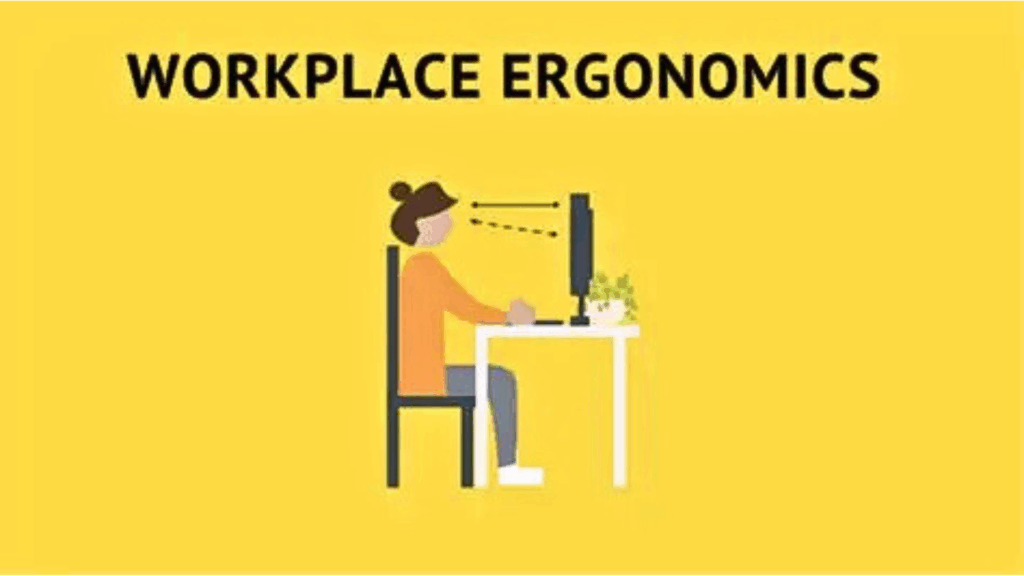
Adjust your chair and screen so that your eyes meet the top third of the monitor.
-
Keep feet flat on the floor or use a footrest for balance.
-
Follow the 20-20-20 rule: every 20 minutes, look at something 20 feet away for 20 seconds.
-
Stretch or walk for a minute every hour to reset posture and circulation.
-
Use natural lighting where possible to improve mood and reduce strain.
-
Personalize your workspace with supportive equipment — wrist rests, lumbar cushions, or standing desks if available.
These habits might seem small, but their cumulative effect on mental clarity and emotional stability can be profound.
Building a Culture of Comfort and Care
Workplace wellness is not just about managing stress after it builds up — it’s about designing environments that prevent burnout from the start. Ergonomics is one of the most tangible ways to achieve that balance. When the body feels supported, the mind follows — becoming calmer, clearer, and more resilient.
In the end, mental health at work begins with how we sit, move, and breathe. Let’s remember: a truly healthy workplace doesn’t just ask employees to cope better — it helps them live better while they work.