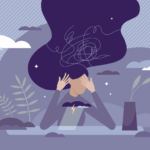
When we think about mental health, we often imagine major life events: a loss, a breakup, or a job crisis. But mental wellbeing is also shaped by small, persistent pressures—the subtle experiences that accumulate day by day. These micro-stressors are invisible yet powerful forces affecting how we feel, think, and perform. This World Mental Health Day, it is important to recognize these quiet influences and understand how they shape our inner world.
What Are Micro-Stressors?
Micro-stressors are everyday challenges that seem minor individually but can compound over time to impact mental resilience. Examples include constant notifications on our phones, commuting frustrations, small disagreements, tight deadlines, or juggling multiple roles at once. While they may appear trivial compared to life-altering events, research and experience show that their cumulative effect can be just as significant for anxiety, irritability, and overall wellbeing.
The problem is that these stressors often go unacknowledged. Unlike major crises, there is no clear “starting point” or obvious solution. This invisibility can lead to chronic mental strain, leaving individuals feeling exhausted or emotionally depleted without understanding why.
How Micro-Stressors Impact Mental Health
Repeated exposure to micro-stressors activates the body’s stress response. Over time, this can reduce emotional regulation, focus, and creativity, while increasing irritability, self-doubt, and mental fatigue. For some, the effects are subtle—feeling “off” or unusually tired—while for others, they may manifest as heightened anxiety or difficulty coping with everyday challenges.
An important insight is that mental health isn’t only about avoiding big crises; it is about navigating the small, relentless pressures that color our daily experience. Recognizing these influences is the first step toward building resilience and self-awareness.
Why Awareness Matters
One of the challenges with micro-stressors is that we often normalize them, accepting fatigue, frustration, or low mood as part of life. This normalization can prevent us from taking proactive steps to protect our mental wellbeing. World Mental Health Day encourages us to pause and ask: “What small pressures are shaping my mood, energy, and mental clarity?”
Awareness allows us to identify patterns, triggers, and coping gaps. Once recognized, even minor adjustments—like reorganizing tasks, setting boundaries with digital devices, or creating intentional moments of pause—can significantly reduce the cumulative mental load.
Small Shifts, Big Impact
Managing micro-stressors doesn’t always require sweeping changes. Some strategies include:
-
Digital boundaries: Limiting notifications or scheduling device-free periods to reduce cognitive overload.
-
Micro-breaks: Short walks, stretching, or mindful breathing to interrupt stress accumulation.
-
Reflective practices: Journaling or brief end-of-day reflections to process minor frustrations before they build up.
-
Boundary setting: Saying “no” to low-priority demands and carving out time for rest or hobbies.
-
Mindful transitions: Taking a few moments between tasks, meetings, or roles to reset and re-center.
These interventions may seem small, but they target the underlying stress load, preventing minor pressures from escalating into emotional burnout or chronic anxiety.
Cultivating Collective Awareness
Micro-stressors are not only individual challenges—they are shaped by social and organizational environments. Workplaces, schools, and families all contribute to cultural expectations, hidden pressures, and subtle demands. Encouraging open conversations about small daily stressors can create a culture that validates lived experiences, reduces stigma, and fosters mutual support.
For instance, teams that recognize the emotional impact of constant multitasking or unrealistic deadlines are more likely to implement supportive practices like flexible scheduling, workload sharing, and mindful check-ins. Similarly, families and communities that validate minor struggles—like feeling overwhelmed or mentally drained—help reduce feelings of isolation and guilt.
Seeing the Unseen
This World Mental Health Day, let’s shift our focus from only dramatic mental health events to the everyday pressures that quietly shape our wellbeing. Micro-stressors may be invisible, but their effects are real. By noticing them, addressing them, and creating environments that reduce their impact, we can cultivate resilience, emotional clarity, and long-term mental wellness.
Mental health is not just about surviving major crises—it is about living well amidst the small, relentless challenges of daily life. Recognizing the invisible strain is a powerful step toward sustaining emotional balance, enhancing self-awareness, and fostering environments where everyone can thrive.